 CAFÉINA
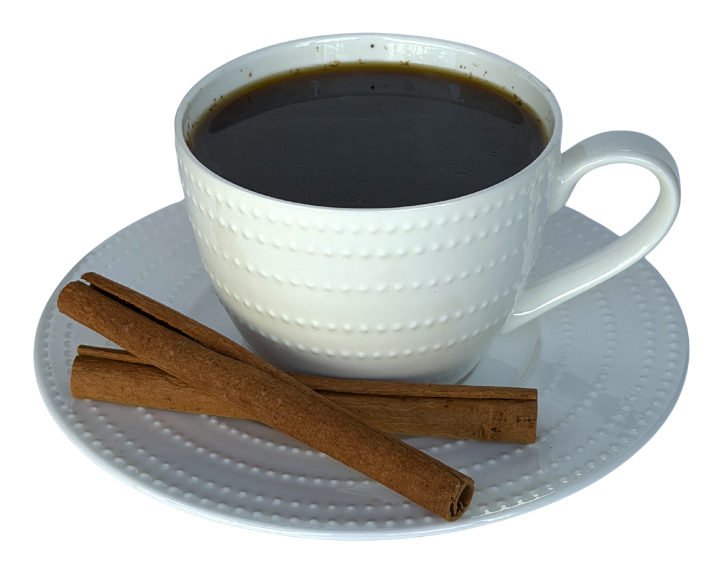
Mexican spiced coffee is the kind of drink that makes a regular morning cup feel more considered. Coffee stays at the center, while cinnamon, a little clove, and a deeper cane-sugar sweetness add warmth around it. The goal is not to make coffee taste like dessert or to bury it under a cabinet full of spices. It is to make a clear, fragrant cup with enough character to slow you down for a minute.
What is Mexican spiced coffee?
Mexican spiced coffee is a broad, useful name for coffee prepared with warm spices and a rich sweetener. The best-known traditional version is café de olla, a Mexican coffee associated with cinnamon, piloncillo, and often a small amount of clove. It is named for the earthenware pot, or olla, traditionally used to prepare it.
The broad name matters because recipes vary. One household may make a dark, coffee-forward pot with a single cinnamon stick. Another may use more piloncillo, a slightly lighter roast, or serve it over ice. Some people use “Mexican coffee” for a cocktail made with coffee liqueur, while others mean a warm, nonalcoholic cinnamon coffee. This guide is for the latter: a balanced spiced coffee you can make at home and recognize on a thoughtful café menu.
There is no need to force every version into one rigid recipe. What gives the drink its direction is a simple combination: coffee with body, whole cinnamon, a darker sugar, and restraint. When those ingredients are in balance, the cup smells inviting before it reaches your lips and still tastes like coffee after the first sip.

The ingredients that make the cup work
Start with coffee you would be happy to drink on its own. A medium roast is an easy place to begin because it can hold onto its aroma while leaving room for cinnamon. A darker roast can be especially good when you want a fuller, cocoa-like finish. Very light coffee can disappear behind the sugar and spice, while an overly bitter coffee can make you keep adding sweetness to compensate.
Use a whole cinnamon stick rather than ground cinnamon. A stick gently perfumes the water and is easy to remove. Ground cinnamon can make the drink muddy, leave sediment in the bottom of the mug, and turn too intense before you can correct it. Clove is optional, but it earns its place when you use it sparingly. One or two whole cloves are enough for a small pot. More can make the coffee taste medicinal.
Piloncillo gives the most traditional cooked-cane sweetness. It is unrefined cane sugar that is commonly sold as a hard cone or puck, and it brings notes that can feel caramel-like and lightly molasses-forward. If it is not available, dark brown sugar is a practical alternative. Caféina’s piloncillo guide explains how the sugar is made and how to break it down, while the substitute guide helps when a recipe needs a different swap.
A balanced Mexican spiced coffee recipe
For about four small cups, gather 4 cups of water, 1 cinnamon stick, 2 to 3 tablespoons of finely chopped piloncillo or packed dark brown sugar, 1 or 2 whole cloves, and 1/2 cup medium-ground coffee. These proportions make a coffee-first pot with a gentle sweetness. If you prefer a lighter cup, use a little less coffee. If you prefer a stronger one, add coffee before adding more sugar.
- Warm the water, cinnamon, sugar, and clove. Put them in a small saucepan over medium heat. Bring the mixture to a calm simmer, stirring now and then until the sugar dissolves. Let it simmer for 3 to 5 minutes so the cinnamon can open up.
- Take the pot off the heat before adding coffee. Stir in the grounds, cover the pot, and let them steep for about 5 minutes. This keeps the grounds from being aggressively boiled, which is a fast route to bitterness.
- Strain and taste before changing anything. Pour through a fine mesh strainer. Take a sip while the coffee is still warm, then decide whether the next batch needs more coffee, more sweetness, or a longer steep.
The order is more important than fussiness. The sugar and spices get a short head start in the water. The coffee then steeps off the heat, where it can develop without turning harsh. Pati Jinich’s café de olla recipe is a useful reference for the traditional coffee, piloncillo, cinnamon, and clove combination. Once you understand that base, you can make a small pot that suits your own table.
How to keep it from tasting too sweet or too spicy
The most common misstep is trying to fix a weak coffee by adding more sugar. That can make the cup feel heavy without making it more satisfying. If the flavor seems thin, use a little more coffee next time or choose a coffee with more body. If it tastes bitter, shorten the steep by a minute before changing the sweetener.
Another easy mistake is treating clove like cinnamon. Cinnamon is friendly and forgiving. Clove is powerful. Use it as a background note, not the main event. For a four-cup pot, one clove may be all you need. When you are unsure, leave it out for the first batch. You can always add a clove to the next pot, but you cannot pull it back after it has taken over.
Give the coffee a minute to cool before you judge the sweetness. Heat can hide sugar at first, which is why a pot that tastes restrained at the stove can feel much sweeter once it reaches the mug. Taste slowly, then adjust only one thing at a time on the next round. That is how a simple recipe becomes yours without losing its balance.
Serve it hot, iced, or with a simple pastry
Hot is the natural place to start because steam carries cinnamon and coffee aroma beautifully. Warm the mugs with hot water if you are making a pot for friends, then empty them before you pour. It is a small move that keeps the first cup from going cool while everyone waits for theirs.
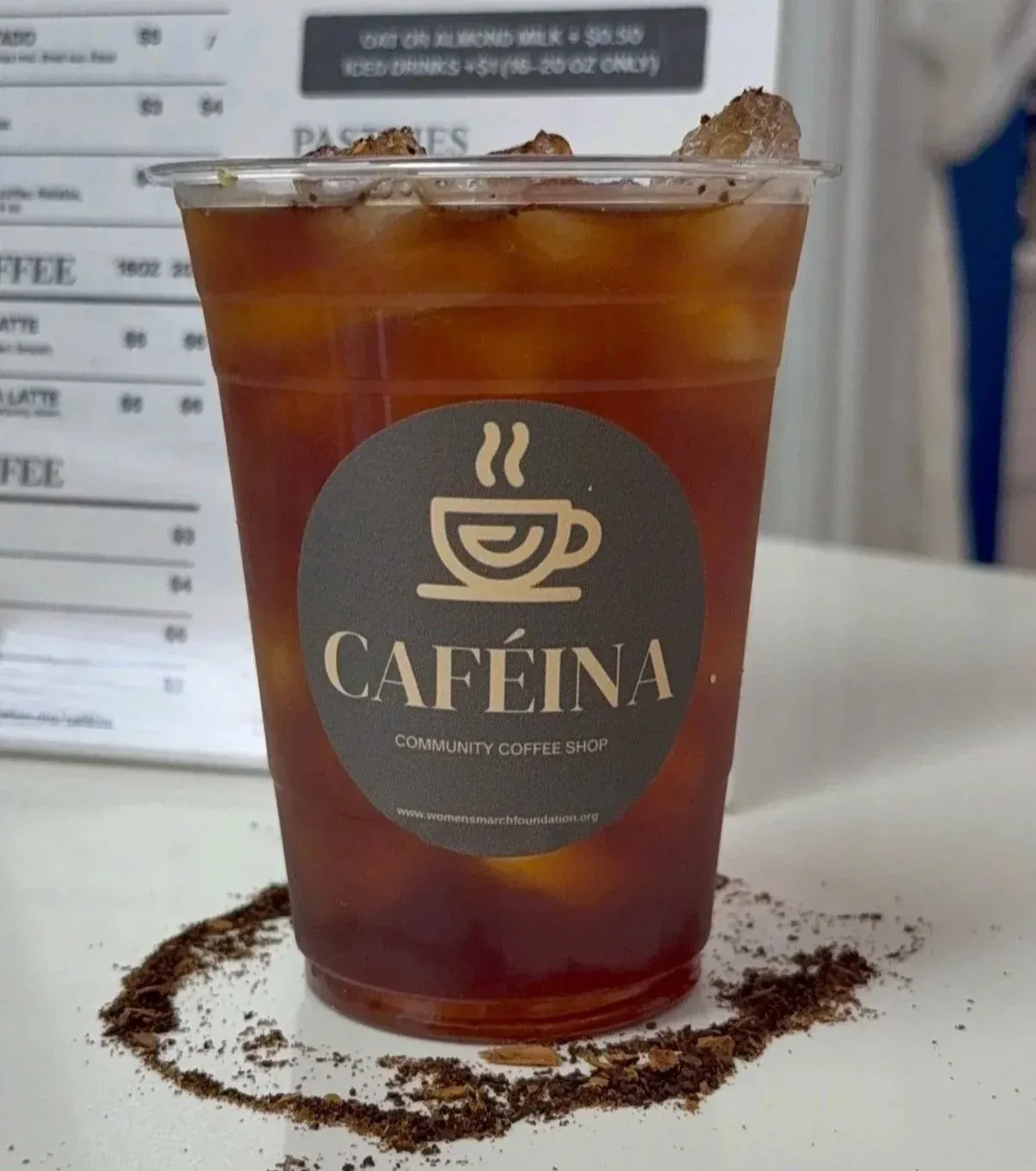
For an iced version, make the coffee slightly stronger, strain it well, and let it cool before it meets the ice. Starting with cooled coffee protects the flavor from being diluted too quickly. Take a sip before adding milk. The spice can feel brighter over ice, and some people prefer that cleaner finish. A splash of oat milk is fine when you want more softness, but it is not required.
When you are pairing it with food, choose something that gives the coffee room to lead. An apple turnover, raspberry Danish, or streusel muffin works because fruit, butter, and gentle spice meet the coffee without competing for attention. Skip the heavily frosted pastry if you want to notice the piloncillo and cinnamon in the cup.

When café de olla is the better name
Use the name café de olla when you are talking about the traditional Mexican preparation and its particular combination of coffee, piloncillo, cinnamon, and often clove. The clay pot is part of the drink’s story, even though a saucepan can make a satisfying home version. Calling every cinnamon coffee café de olla can flatten something with a specific history and a lot of regional and family variation.
Use “Mexican spiced coffee” when you need a broader invitation. It helps someone who is new to the flavor understand what is in the cup before they know the traditional name. Then the details can lead them deeper. Caféina’s step-by-step café de olla guide is the right next read when you want the full home method, including how to scale the pot for one person or a group.

How to make the next pot better
A good first pot is information, not a final exam. Make a small note after you taste it: stronger coffee, less sweetness, more cinnamon, or a shorter steep. Change one thing on the next batch. If you add more coffee, keep the spices where they are. If you want more aroma, add a little more cinnamon before you reach for another clove. Small changes make it easier to find the version you like without losing track of what worked.
For one generous mug, start with 1 cup of water, 2 tablespoons of medium-ground coffee, a small piece of cinnamon stick, 1 to 2 teaspoons of dark brown sugar or a little grated piloncillo, and no more than one clove. The method stays the same: let the cinnamon and sugar warm briefly in the water, remove the pot from the heat, steep the coffee, then strain. A single-cup batch is especially useful when you are learning how sweet you like the drink.
For a table of four or more, scale the water and coffee first, then add sweetener gradually. Cinnamon scales more gently than coffee, and clove scales least of all. A larger pot may need another cinnamon stick, but it does not automatically need twice the clove. Taste a small pour before serving. If the coffee needs a little more warmth, let the cinnamon stay in the pot for another minute off the heat. If it needs more sweetness, dissolve a small amount of piloncillo in a spoonful of hot coffee first, then stir it back into the pot.
Use the same deliberate approach when you are planning food. A spiced coffee can carry a relaxed breakfast, a long kitchen-table conversation, or a small afternoon gathering. It does not need to be treated like a holiday drink. When you make it for people, set out the coffee first, then leave milk or extra sugar on the table for anyone who wants it. That lets everyone taste the intended balance before changing it.
Find the café version at Caféina
Sometimes the best recipe is the one you do not have to make before work. Caféina’s Dolores Huerta Café de Olla brings together coffee, cane sugar, cinnamon, and cloves in the same warm-spice direction. It is a good choice when you want something more layered than a standard drip coffee but still unmistakably coffee.
Browse the full menu to find a pastry or another drink for the moment, then plan your visit to Caféina inside the Women’s March Westside Hub in West Los Angeles. A thoughtful coffee does not need a special occasion. It only needs enough room in the day to notice it.
Quick recap
Let coffee lead, then give it a little warmth.
Simmer water with cinnamon, piloncillo, and a restrained touch of clove. Steep good coffee off the heat, strain it well, then taste before making any adjustment. That is the balanced cup.
Frequently asked questions
What spices go in Mexican spiced coffee?
Cinnamon is the essential starting point. A small amount of clove can add warmth, and piloncillo or dark brown sugar gives the cup a deeper sweetness. Keep the spice measured so the coffee still leads the flavor.
Is Mexican spiced coffee the same as café de olla?
Café de olla is a traditional Mexican coffee made with coffee, cinnamon, piloncillo, and often clove. Mexican spiced coffee is a broader description that can include café de olla and other cinnamon-forward coffee preparations.
Can I make Mexican spiced coffee without piloncillo?
Yes. Dark brown sugar is the easiest everyday substitute because its molasses notes create a similar warm, rounded sweetness. Add it gradually, then taste after the coffee has steeped.
Can Mexican spiced coffee be served iced?
Yes. Brew the coffee a little stronger, strain it well, and cool it before adding ice. The cinnamon stays aromatic, while the finished drink feels lighter and brighter than a hot cup.