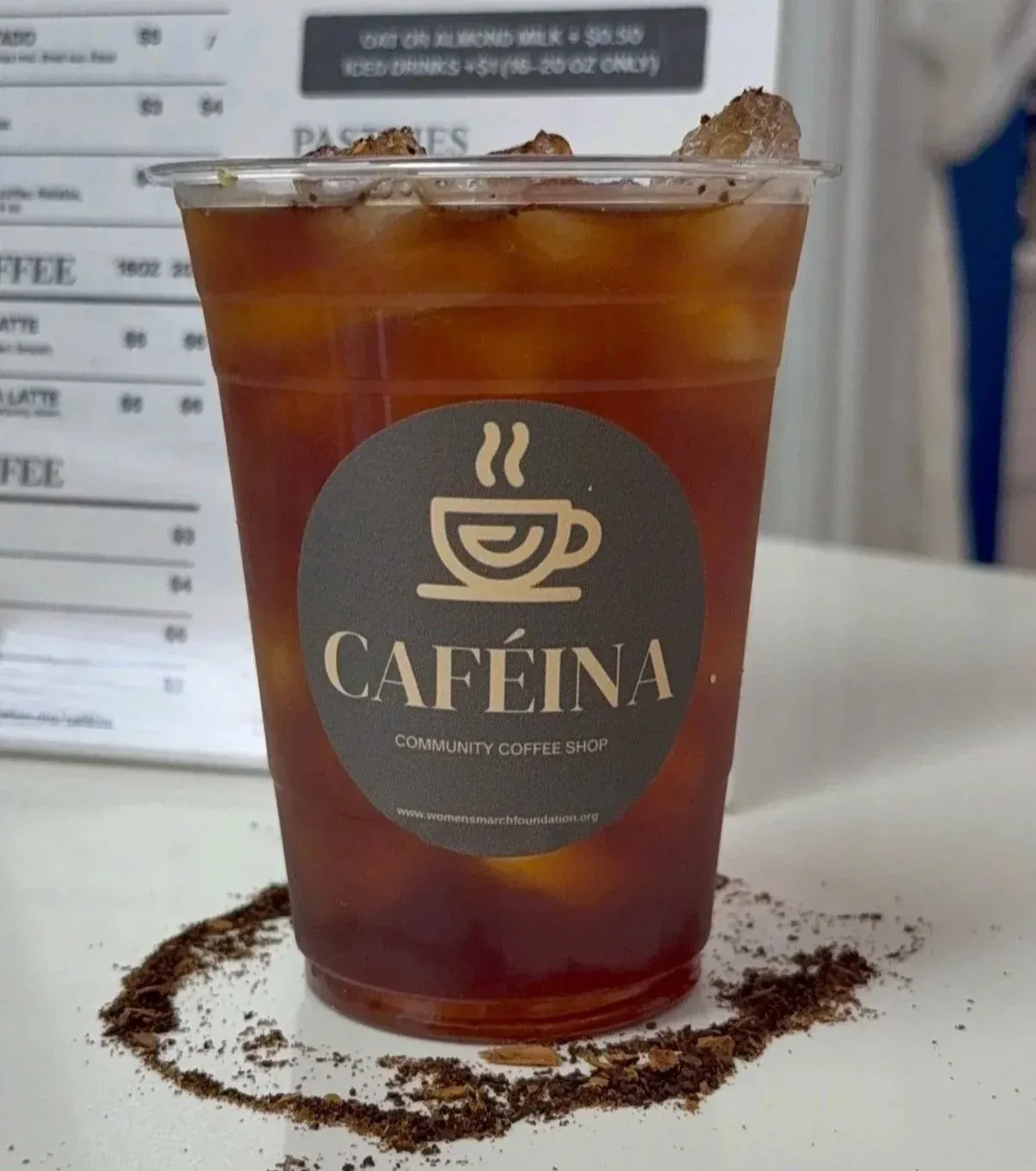
 CAFÉINA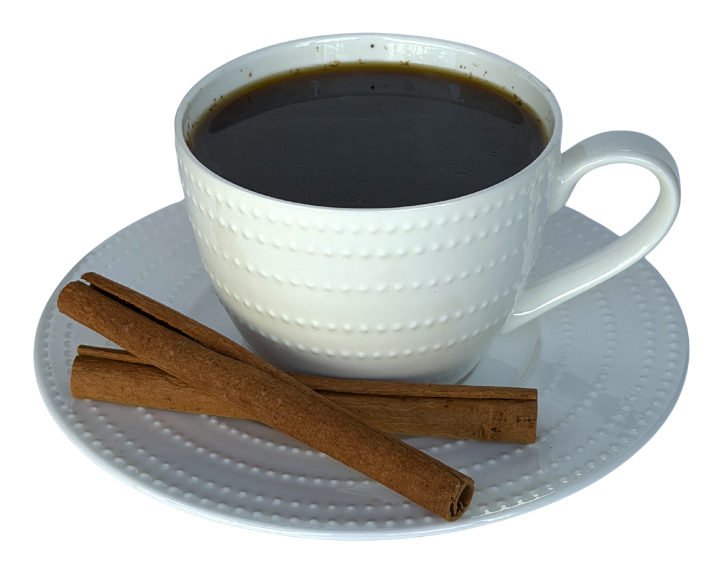
Café de olla is one of those drinks that makes a regular coffee break feel more deliberate. It is warm, gently spiced, and made for unhurried sips. The name translates to “coffee from a pot,” but the experience is bigger than the vessel: it is a style of coffee that brings aroma, sweetness, and ritual into the same cup.
What is café de olla?
Café de olla is Mexican coffee brewed or simmered with warming ingredients, most often cinnamon and piloncillo, an unrefined cane sugar with a deep caramel-and-molasses character. Clove is common too. The traditional pot is an olla, an earthenware vessel that gives the drink its name and can add a subtle earthy note to the finished cup.
The exact recipe changes from kitchen to kitchen and region to region. Some versions lean bright and cinnamon-forward. Others have more clove, more sweetness, or a richer coffee base. That flexibility is part of the point. Café de olla is a home-style tradition, not a rigid formula, and the best versions let coffee and spice meet without either one taking over.

A drink shaped by home kitchens
Many people first meet café de olla through a relative, a neighborhood restaurant, or a morning when regular coffee needed more comfort. That setting matters. The drink belongs to a broad Mexican tradition of making everyday ingredients feel generous through attention and time. It is often discussed alongside memories of cool mornings, family meals, and a pot shared with more than one person.
There are stories that connect café de olla to the Mexican Revolution and to women who supported camps and communities. Those stories are meaningful, but a single origin tale should not flatten a living tradition with many regional and family variations. Food writer and chef Pati Jinich describes the drink as coffee prepared in, and named for, the clay pot, while also showing how personal each batch can be.
The useful takeaway is simple: there is room for respect and room for variation. You do not need to claim that one recipe is the original in order to appreciate what makes the drink special. Start with good coffee, cinnamon, cane sugar, and a gentle hand with the supporting spices. Then let the cup taste like something made for the people at the table.
What does café de olla taste like?
Expect coffee first, followed by cinnamon, a gentle sweetness, and a little lift from clove. It is not meant to taste like a syrupy dessert drink or a candle-shop version of coffee. A balanced cup has warmth and fragrance, while the roast still gives it structure.
Piloncillo is one reason the flavor can feel rounder than coffee sweetened with white sugar. Its less-refined character brings toasted, brown-sugar notes that sit naturally beside cinnamon. When it is not available, cooks often make thoughtful substitutions, but the goal stays the same: a mellow sweetness that supports the coffee instead of hiding it.
If you usually reach for a latte, café de olla can be a good next step when you want warmth and flavor without a heavy milk texture. If you prefer black coffee, it offers a different kind of clarity: the coffee remains recognizable, with the spices adding a soft edge around it.
Why the pot matters
The olla is traditionally made from clay. In many home preparations, coffee, sugar, cinnamon, and cloves are brought together in the pot so the flavors have time to mingle before the drink is strained and served. You can make a delicious version in another pot, but the original vessel is part of the drink’s identity and the story behind its name.
That sense of process is worth keeping in mind when you order it. Café de olla is not about chasing the fastest caffeine hit. It is about choosing a cup with a little more aroma, a little more warmth, and enough character to make the pause feel intentional.

Choosing coffee for a home batch
Use coffee you would be happy to drink without flavoring. That does not mean it needs to be rare or expensive. It means the coffee should be clean, fresh enough to have aroma, and roasted to a level that can hold its own beside sugar and spice. A balanced medium roast is an easy starting point. A dark roast can work beautifully too, especially when you want a fuller, more cocoa-like finish.
Grinding just before brewing helps, but a thoughtful bag of pre-ground coffee can still make a satisfying pot. What matters more is proportion. Too little coffee turns the drink into sweet cinnamon water. Too much coffee can make the finish bitter, which encourages you to add more sugar and loses the drink’s balance. Start with a recipe you trust, then adjust coffee strength on the next batch rather than changing every ingredient at once.
Water is worth noticing as well. If your tap water has a strong mineral or chlorine taste, it will show up in a simple drink. Filtered water is an easy upgrade. It gives the cinnamon and cane sugar a cleaner background and lets the coffee taste more like itself.
How it differs from other cinnamon coffees
“Cinnamon coffee” can mean almost anything: a flavored syrup, a dusting of spice, or coffee brewed beside a cinnamon stick. Café de olla has a more specific direction. The coffee is intentionally paired with spices and cane sugar so they become part of the brew, not an afterthought on top.
It also differs from a chai latte or a spiced mocha. Those drinks often lead with milk, tea, or chocolate. Café de olla leads with coffee. The spice should make the cup more aromatic and layered, not turn it into another beverage entirely.
That distinction is useful when ordering. Ask whether the drink uses real brewed coffee, which spices are present, and whether it is served black or with milk. At home, the same questions help you adjust a recipe to your taste. Start modestly with clove, since it can become dominant quickly, then let cinnamon and coffee do most of the work.
How to enjoy café de olla
- Choose the temperature for the moment. Hot is the traditional starting point and makes the spice aroma more noticeable. Iced can be a refreshing option when you want the same flavor direction with a lighter finish.
- Give it a moment before adding anything. Take a sip before reaching for more sweetener or milk. The coffee, cinnamon, clove, and cane sugar are meant to work together.
- Pair it simply. An apple turnover, raspberry Danish, or a streusel muffin keeps the coffee as the center of the pairing.
- Use it as a conversation coffee. Its aroma and warmth make it a natural choice for a slower visit, especially when coffee is part of catching up, planning, or settling into a good idea.

A quick note on making it at home
Most home methods start by warming water with cinnamon, cloves, and piloncillo or another cane sugar. Coffee is then added and allowed to steep or simmer gently before straining. The details vary, which is why it helps to use a trusted recipe as a starting point rather than treating one version as the only correct version. Jinich’s café de olla recipe and notes offer a useful reference for the classic coffee, piloncillo, cinnamon, and clove combination.
Bring the water and sweetener to a gentle simmer first, rather than rushing the process at a hard boil. That gives the cane sugar time to dissolve and the cinnamon time to perfume the water. Add the coffee at the point your recipe calls for, then let it steep long enough to develop without cooking the grounds into a harsh finish. Strain carefully and taste before serving.
If you cannot find piloncillo, dark brown sugar is a practical substitute. It will not duplicate every note, but it moves the drink in the right direction. Use whole cinnamon sticks instead of powdered cinnamon when possible. Powder can make the cup muddy and leave sediment at the bottom, while a stick gives a cleaner, more controlled flavor.
For the best flavor, use coffee you already enjoy on its own. Overly bitter coffee can make you add more sugar than you wanted, while a balanced medium or dark roast gives the spices a steadier foundation. Keep the batch small at first, taste as you go, and make the next pot yours. A homemade batch is also a good reason to invite someone over, because café de olla is especially satisfying when there is enough to pour twice.
Common mistakes to avoid
The first mistake is treating the spices like a shortcut. A heavy pour of ground cinnamon or clove can make the drink gritty, medicinal, or both. Whole spices give you more control. Keep the clove restrained, taste the first batch, and remember that you can always add more warmth next time. You cannot easily pull it back once it is in the pot.
The second mistake is over-sweetening before you know what the coffee tastes like. Piloncillo and dark brown sugar bring flavor as well as sweetness, so a smaller amount can go further than expected. Let the coffee cool for a moment, then taste it again. Hot drinks can disguise sweetness at first sip, and a cup that seems balanced at the stove can become too sweet once it reaches the table.
Finally, do not confuse simplicity with blandness. Café de olla does not need a long ingredient list to feel complete. Coffee, cinnamon, cane sugar, clove, water, and a little patience are enough. The craft is in the balance, not in adding every spice in the cabinet.
When café de olla is the right order
Choose café de olla when you want a coffee that feels cozy but still grown-up. It works particularly well on a cool morning, during a long conversation, or after a meal when you want something aromatic without moving to dessert. It can also be an easy entry point for someone who is curious about coffee but does not enjoy the sharpness of a plain cup.
It is not the answer to every coffee mood. On a hot afternoon, an iced vanilla latte may be the better fit. When you need a small, direct coffee, the Equal Pay Cortado gives a more concentrated experience. When you want a pot to share during a planning session or a group visit, Caféina’s carafe traveler makes that easy.
That range is one of the pleasures of a good coffee menu. Different drinks give the same gathering a different tone. Café de olla is the choice for a little warmth, a little spice, and enough character to make the cup worth talking about.
At Caféina
Try the Dolores Huerta Café de Olla.
Our signature version brings together coffee, cane sugar, cinnamon, and cloves. It is a cup with warmth, character, and a point of view.
Frequently asked questions
Is café de olla the same as cinnamon coffee?
Cinnamon is an important part of café de olla, but it is not the whole story. The drink is built around coffee, warm spices, and a deep, rounded sweetness. A simple cinnamon-flavored coffee can be pleasant, but it may not have the clove, piloncillo-style, or clay-pot character people expect from café de olla.
Is café de olla served hot or iced?
It is traditionally served hot, which lets the aromas of cinnamon and clove come through clearly. It can also be served over ice when a lighter, colder coffee is what you want. The best choice is the one that fits the day and your preference.
Does café de olla always contain dairy?
No. The classic coffee-and-spice base does not require milk. Some cafés add milk or offer it as an option, so it is worth asking when you order if you have a preference or dietary need.
What should I eat with café de olla?
Pastries with fruit, butter, cinnamon, or a simple crumb topping pair especially well. The goal is balance: choose something that lets the coffee’s warm spice stay present instead of covering it up.