 CAFÉINA

Yes, café de olla usually has caffeine because it begins with coffee. The cinnamon, piloncillo, and cloves give the cup its unmistakable warmth, but they do not change the basic fact that regular coffee is the source of the lift. The useful question is not whether every cup has exactly the same amount. It is how the coffee, recipe, and serving size shape the cup in front of you.
Why café de olla has caffeine
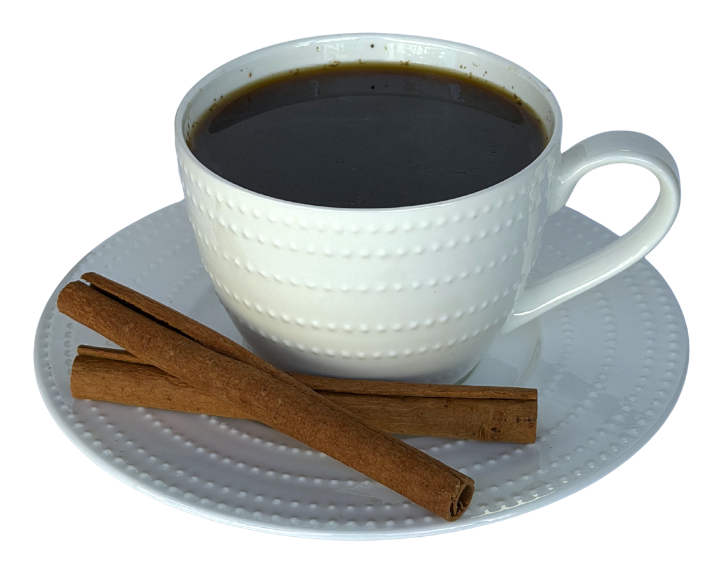
Café de olla is a traditional Mexican coffee preparation. The classic direction is coffee brewed with cinnamon and piloncillo, a dark, unrefined cane sugar, with clove appearing in many versions. Since coffee is part of that foundation, a regular-coffee café de olla is caffeinated. It is not a cinnamon tea or a sweetened spice drink with coffee flavor added later.
The spices can make the experience feel different from a plain mug of drip coffee. Cinnamon is aromatic, piloncillo brings a caramel-like depth, and clove can add a little lift. None of those ingredients add caffeine, though. They change taste, aroma, and sweetness. The amount of coffee in the pot remains the main reason one cup may feel mild and another may feel much stronger.
If you are new to the drink, start with Caféina’s guide to café de olla. It explains the tradition behind the cup and the ingredients that give it its distinctive character. This guide narrows in on the practical part: what that coffee base means when you are thinking about caffeine.
There is no single caffeine number for every cup
It is tempting to look for one precise caffeine number, but café de olla is a recipe, not a single standardized product. Two cups can taste similar and still contain different amounts because the brewer used a different coffee, different proportions, a different steep time, or a different serving size. A café version may also be made as a concentrated base, while a home recipe may be brewed as a pot to share.
That is why a sensible answer is: expect caffeine when regular coffee is used, and let the actual preparation guide the rest. The U.S. Food and Drug Administration notes that a typical eight-ounce cup of ground coffee contains about 95 milligrams of caffeine, while also stressing that caffeine content varies by product and preparation. That is a helpful point of reference, not a promise for every café de olla recipe.
For a packaged instant coffee or ready-to-drink product, the label is the best source. For a café order or a homemade pot, asking how the drink is made gives you a better answer than pretending every cinnamon coffee lands at one fixed number. It also keeps the conversation honest: the flavor may be traditional, but caffeine depends on the coffee and the method.
What changes the caffeine in your cup
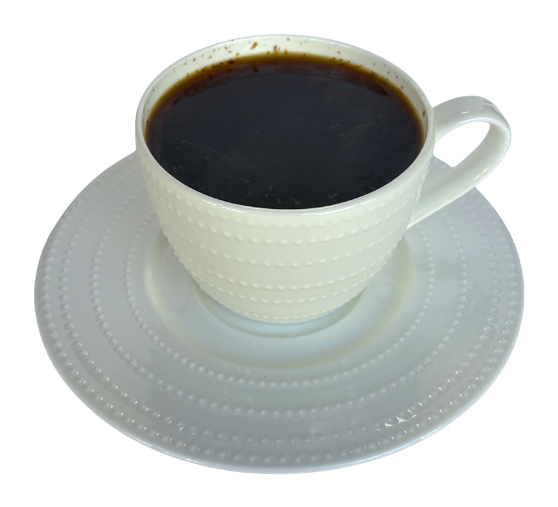
The coffee itself matters first. Different coffees do not deliver identical caffeine. Bean type, blend, grind, and preparation can all affect the final cup. If you are brewing at home, choose a coffee you enjoy before trying to solve the caffeine question with extra cinnamon or sugar. Flavor and caffeine are separate levers.
The coffee-to-water ratio matters next. More grounds for the same amount of water generally creates a more concentrated brew. A large pot made with a modest amount of coffee may be gentle per serving, while a small, concentrated batch can feel much stronger. This is also why a small café cup is not automatically a low-caffeine choice.
Serving size changes the picture. Think about the whole cup you are drinking, not only the recipe written for a batch. A traditional serving can be smaller than an oversized mug, but recipes and cafés vary. A second refill matters too. If caffeine is something you track, count the coffee you drink across the day rather than treating each style as a separate category.
Milk and ice change the texture, not the original coffee dose. A café de olla latte can taste softer because milk rounds out the spice and coffee. An iced version can feel lighter. Neither automatically removes caffeine. The key question is still how much espresso, brewed coffee, or café de olla concentrate went into the finished drink.
Flavor strength is not the same as caffeine strength. A cup can taste bold because the roast is dark, the piloncillo is deep, or the clove is noticeable. Another cup can taste gentle because it has milk or ice. Those impressions are useful when choosing a drink, but they do not reliably tell you how much caffeine is there. If you need a lower-caffeine option, ask about the coffee base rather than judging the cup by its sweetness, color, or spice.
That is also why it helps to make one change at a time at home. Keep the coffee amount steady while you adjust sweetness or spice, then taste again. You will learn what you enjoy without accidentally changing every part of the cup at once. A small notebook note, such as “less coffee next time” or “same coffee, less piloncillo,” makes a familiar recipe easier to repeat.
Do cinnamon, piloncillo, and cloves affect caffeine?
No. These ingredients are a big reason café de olla is memorable, but they are not sources of caffeine. Piloncillo brings a deeper, toasted sweetness than plain white sugar. Cinnamon perfumes the cup. Clove adds a warm note when used lightly. Together they can make a coffee taste richer and more stimulating in the everyday sense of the word, yet they do not increase its caffeine content.
That distinction is useful if you are adjusting a recipe. Want less caffeine? Change the coffee choice, the amount of coffee, the serving size, or choose decaf. Want less sweetness? Reduce the piloncillo. Want a softer aroma? Use less cinnamon or leave out clove. Each adjustment has a different job, so you do not have to sacrifice the character of the drink to make a practical choice.
For the classic flavor foundation, Pati Jinich’s café de olla recipe uses water, dark-roasted coffee, piloncillo, and a cinnamon stick. The method makes that separation easy to see: coffee is the brewed base, while the sugar and spice are there to shape the cup around it.
How to choose the right version for your day
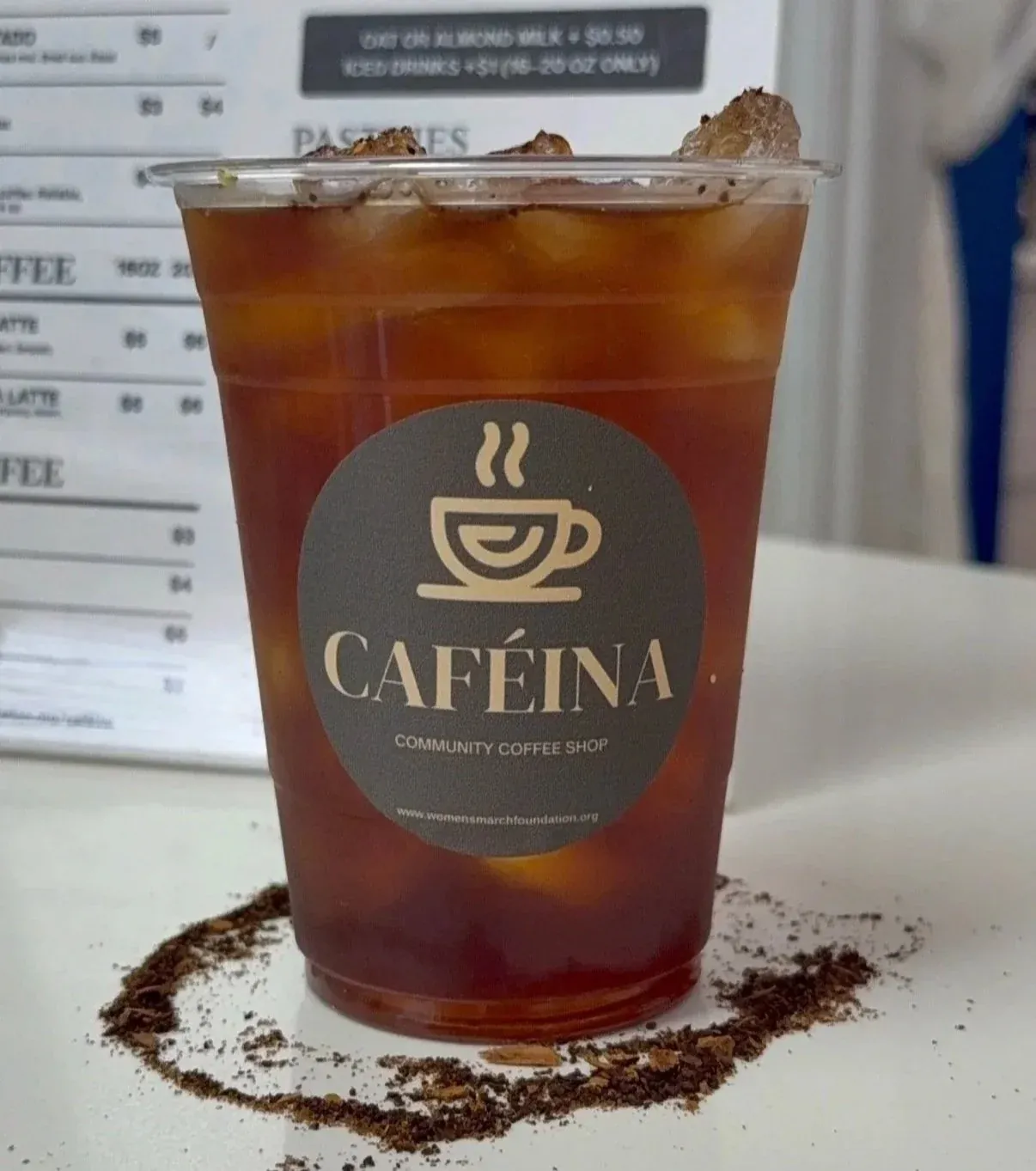
If you want a regular coffee experience with more warmth and depth, café de olla is a good fit. It is coffee-forward, not merely sweet, and a balanced version makes the cinnamon and cane sugar feel like supporting notes. Order it earlier in the day if you know caffeine affects your sleep, just as you would with another coffee drink.
If you love the taste but want to reduce caffeine, make a decaf version at home. The flavor profile still works because the cinnamon, piloncillo, and clove do not depend on caffeine. Start with a decaf coffee you would be happy to drink plain, then follow Caféina’s step-by-step café de olla method. You can also scale the recipe down to one cup, which makes it easier to adjust sweetness and strength without committing to a full pot.
If you want a coffee with more milk, a café de olla latte may be the better choice. Ask how it is made if caffeine is important to you. One café may use espresso, another may use a brewed concentrate, and the size of the drink can make a meaningful difference.
If you want something without coffee, look at a genuinely non-coffee option rather than assuming a spiced coffee is caffeine-free. Caféina’s organic tea and hot chocolate are distinct choices, each with its own ingredients. That simple clarity lets you order for the moment you are actually having.
A practical note on daily caffeine
Caffeine affects people differently. The FDA says that, for most adults, up to 400 milligrams a day is an amount not generally associated with negative effects, while also noting that sensitivity, medications, health conditions, and other factors can change what is right for someone. If caffeine makes you jittery, unsettled, or unable to sleep, your own experience matters more than a generic coffee rule.
Pregnant people, children, and people managing a health condition should use guidance that fits their situation, including advice from a qualified health professional when needed. This is not a reason to make a simple coffee choice complicated. It is a reminder that a coffee with spices is still coffee, and it deserves the same thoughtful attention you would give any other caffeinated drink.
The practical habit is easy: enjoy the cup, know whether it uses regular or decaf coffee, and keep the rest of your day in view. That is more useful than chasing a false exact number for a homemade or café-prepared recipe.
Find a warm-spice coffee at Caféina
Caféina’s Dolores Huerta Café de Olla brings together coffee, cane sugar, cinnamon, and cloves. It is a signature drink for someone who wants a coffee that feels more layered than a standard cup, while letting the coffee stay at the center. Pair it with an apple turnover or browse the full menu for the rest of the coffee and pastry options.
When you are ready for a slower coffee break, plan your visit to Caféina inside the Women’s March Westside Hub. The goal is not to turn every cup into a calculation. It is to give you a clear answer before you settle in: regular café de olla has caffeine because it is coffee, and the details of the cup determine how much that means for you.
At Caféina
Warm spice, with coffee at the center.
The Dolores Huerta Café de Olla brings coffee, cane sugar, cinnamon, and cloves together in a cup made for a more deliberate coffee break.
Frequently asked questions
Does café de olla have caffeine?
Usually, yes. Traditional café de olla is made with coffee, so it contains caffeine unless the coffee itself is decaffeinated. Cinnamon, piloncillo, and cloves add flavor, not caffeine.
How much caffeine is in café de olla?
There is no single number for every cup. The amount depends on the coffee used, the amount of grounds, the brew method, and the serving size. Treat a regular-coffee version much like another brewed coffee, then check a packaged product label when one is available.
Do cinnamon and piloncillo make café de olla more caffeinated?
No. Cinnamon and piloncillo shape aroma and sweetness, while caffeine comes from the coffee. A sweeter cup can taste more intense, but it does not automatically contain more caffeine.
Can I make decaf café de olla?
Yes. Use decaffeinated coffee with the same cinnamon, piloncillo, and clove approach. You will keep the warm, spiced character while greatly reducing the caffeine, although decaf coffee can still contain a small amount.


