 CAFÉINA
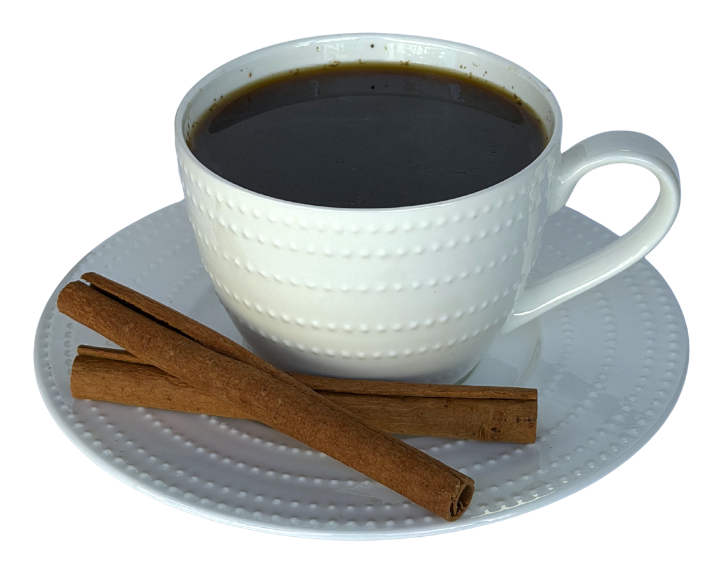
A café de olla latte takes the warm, cinnamon-forward character of café de olla and gives it the creamy shape of a latte. It is an inviting choice for anyone who wants something more layered than a standard latte, without losing coffee’s place at the center of the cup.
What is a café de olla latte?
A café de olla latte is a coffee drink inspired by the flavors of traditional Mexican café de olla. In its most recognizable form, it pairs espresso or a concentrated coffee base with milk, cinnamon, and a deep cane-sugar sweetness often associated with piloncillo. Depending on the café, a small amount of clove or another supporting spice may join the mix.
The important word is “inspired.” Traditional café de olla is a brewed coffee preparation, often made with coffee, cinnamon, piloncillo, and sometimes clove in an olla, or earthenware pot. A latte changes the experience by adding milk and, typically, espresso. It is not a replacement for the traditional cup. It is a creamy, coffee-shop expression of the same flavor family.
That distinction makes the drink easier to order with confidence. You can expect warmth, gentle spice, and a richer sweetness than a plain latte, but the best version should not taste like cinnamon syrup with a little coffee hiding underneath. Espresso, milk, and spice should have room to meet each other.
How does it taste?
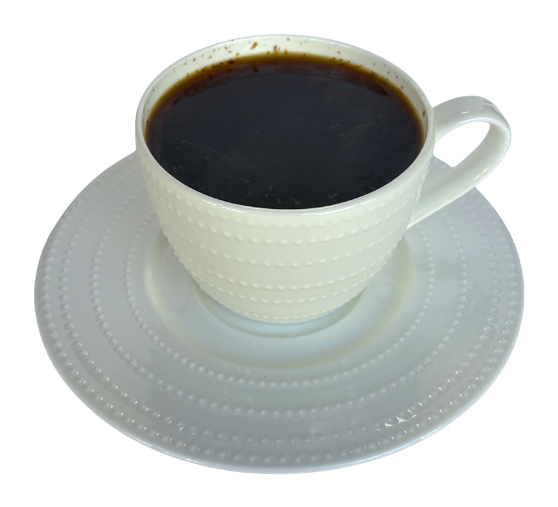
Think of the first sip as coffee wrapped in warmth. Cinnamon is usually the first aroma you notice. Piloncillo, or a similar dark cane sugar, brings a rounded sweetness that can feel caramel-like without turning the drink into caramel. Milk smooths the edges, while espresso gives it enough structure to stay recognizably coffee-forward.
Clove, when used, should sit quietly in the background. It adds depth and a little lift, but too much can make the drink taste medicinal. The same is true of cinnamon. A good café de olla latte is fragrant, not dusty. You should be able to finish the cup and still remember the coffee, not just the spice.
If you like brown-sugar lattes, chai, or a gently spiced cappuccino, this is a natural next order. It is usually less tea-like than chai and less candy-sweet than a flavored syrup latte. If you prefer black coffee, the traditional café de olla preparation may be closer to your taste because it puts milk aside and lets the brew lead.
What makes the flavor different?
The flavor starts with café de olla itself. Traditional versions commonly use coffee, cinnamon, piloncillo, and clove. Food Network’s recent café de olla recipe uses that same coffee, piloncillo, cinnamon, and clove foundation, then notes that warmed milk can turn the finished coffee into a latte. That basic structure is why the drink feels familiar and distinctive at the same time.
Piloncillo matters because it has more character than plain white sugar. It is an unrefined cane sugar, usually sold in a compact cone or puck, with a toasted depth that sits naturally beside coffee. When it is not available, dark brown sugar is a practical substitute. Caféina’s piloncillo guide explains what makes it different, while the substitute guide can help when you are making a drink at home.
Milk changes the cup as much as the sweetener does. Whole milk gives a rounder, more traditional latte texture. Oat milk often works beautifully because its natural softness supports cinnamon and cane sugar. Almond milk can make the drink feel lighter and slightly nuttier. There is no universal best option, only the texture and flavor that suit the coffee you are using.

Café de olla latte versus traditional café de olla
Traditional café de olla is often prepared as a pot of coffee. Water, cinnamon, piloncillo, and sometimes clove are warmed together, then coffee is steeped and strained. The clay pot associated with the drink gives it its name and is part of the tradition, even though a home saucepan can make a satisfying version.
A café de olla latte is generally built more like an espresso drink. The barista starts with espresso or strong coffee, adds milk, then brings in the cinnamon and piloncillo flavor through a syrup, a spice-infused sweetener, or a brewed café de olla base. This is why menu versions can range from coffee-forward to very creamy. It is worth asking how the café makes theirs if that distinction matters to you.
Neither approach needs to compete with the other. The traditional cup is direct, aromatic, and rooted in the pot. The latte is softer and easier to sip slowly. One can be a thoughtful morning ritual at home, while the other can be exactly right when you want an espresso drink with a little more story in it.
Why it deserves a place on the menu
A café de olla latte gives people a useful alternative to the usual vanilla, caramel, and mocha choices. It is familiar enough to understand at a glance, yet its cinnamon and cane-sugar profile makes the first sip more memorable. That matters when someone wants a comfort drink that does not feel interchangeable with every other coffee-shop order.
It also invites a small moment of curiosity. A good menu description can introduce piloncillo and the café de olla tradition without turning the order into homework. For regulars, it becomes the warm option they return to. For someone trying it for the first time, it can open the door to the traditional coffee and the food culture around it.
How to order one you will enjoy
- Start with the coffee base. Ask whether it is made with espresso, brewed coffee, or a house café de olla concentrate. Espresso usually gives a more familiar latte shape, while brewed coffee can taste closer to a traditional pot.
- Choose your milk for texture. Whole milk is richer, oat milk is softly creamy, and almond milk keeps the cup lighter. If the drink is new to you, the café’s standard milk is often a good first choice.
- Decide how sweet you want it. A lower-sweetness order lets the espresso and cinnamon come through. A standard sweetness is comforting and round. Start there before adding extra syrup.
- Choose hot or iced for the moment. Hot brings the aroma forward. Iced feels brighter and more refreshing, especially in warm weather. Both can work when the coffee is strong enough.
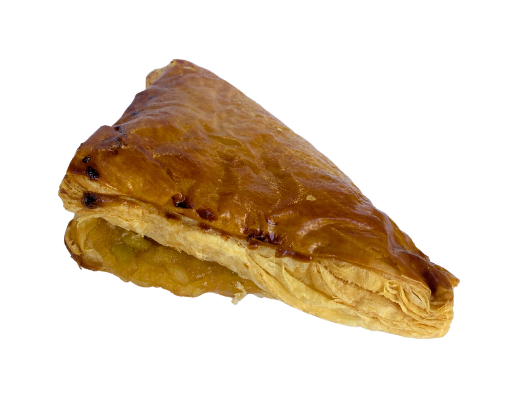
At Caféina, the Dolores Huerta Café de Olla is a signature coffee with cane sugar, cinnamon, and cloves. It gives you the warm-spice direction without making you choose between a long list of syrups. Pair it with an apple turnover or a streusel muffin when you want a pastry that lets the coffee stay present.
How to make a café de olla latte at home
For one generous cup, make a small café de olla-style concentrate first. Warm 1/2 cup water with a short piece of cinnamon stick, 1 to 2 teaspoons grated piloncillo or dark brown sugar, and one clove if you enjoy it. Let it gently simmer for a few minutes, just long enough for the sugar to dissolve and the cinnamon to become fragrant. Remove it from the heat, add 2 tablespoons medium-ground coffee, cover, and steep for about five minutes before straining.
Next, make a small amount of strong coffee or pull one or two espresso shots. Combine it with a few tablespoons of the spiced concentrate, then add steamed milk. Start with less concentrate than you think you need. It is much easier to add another spoonful than to recover a drink that has become too sweet or too clove-heavy.
You do not need fancy equipment to make the milk feel special. Heat it gently in a small saucepan until steaming but not boiling. A handheld frother, French press, or tightly sealed jar can add some foam, though none is required for a good cup. The goal is warm, silky milk, not a mountain of bubbles that hides the coffee.
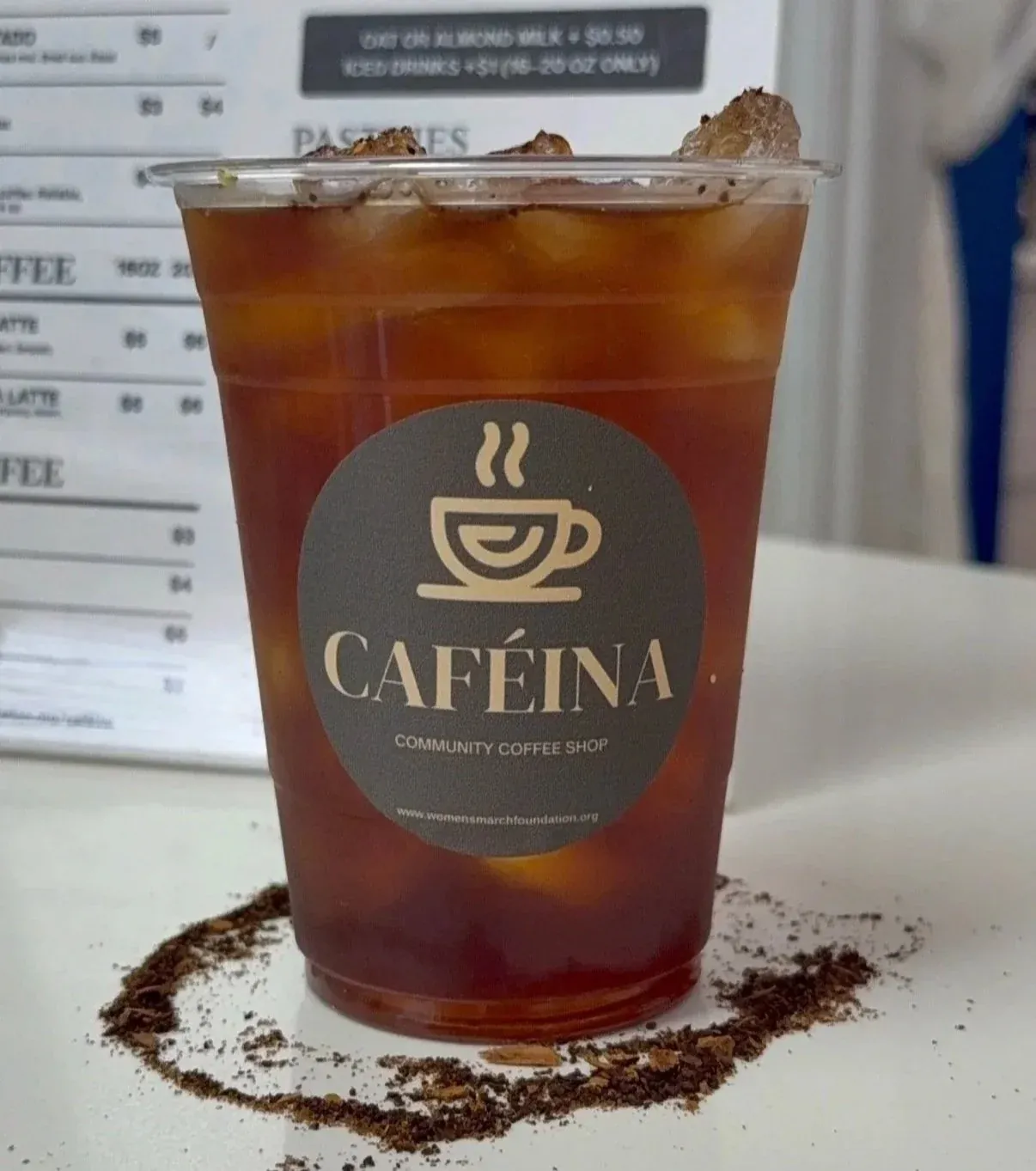
For an iced version, cool the coffee and spiced concentrate before building the drink. Pour them over ice, add cold milk, and taste before adding more sweetener. The spice can feel brighter when chilled, so an iced café de olla latte often needs less flavoring than a hot one. Caféina’s step-by-step café de olla guide is a helpful next read when you want to make the traditional pot first.
Common mistakes to avoid
The most common mistake is over-sweetening before tasting the drink. Piloncillo and dark brown sugar bring a lot of flavor, so they can make a latte feel complete with less sweetness than a vanilla or caramel version. Build slowly. Let the espresso, milk, and spice settle together before reaching for more.
The next mistake is using too much ground spice. Ground cinnamon can leave the cup gritty, and too much clove can cover everything else. Whole cinnamon and a restrained amount of clove make the process easier to control. If you only have ground cinnamon, use a very small pinch and strain the concentrate carefully.
Finally, do not use weak coffee. Milk and spice both soften coffee’s sharp edges. That is lovely when the espresso or brew has enough body, but disappointing when the base is thin. Use espresso, a moka pot, or a strong brewed coffee. A sturdy base is what keeps the finished latte from tasting like warm milk with a nice aroma.
When a café de olla latte is the right choice
Choose it when you want a coffee that feels cozy but still adult, especially on a cool morning, during a long conversation, or when a plain latte sounds too familiar. It is also a good bridge for someone who enjoys a little sweetness but wants to taste more than one note in the cup.
It may not be the ideal order when you want a short, intense coffee or a completely unsweetened drink. In that case, Caféina’s Equal Pay Cortado offers a more concentrated coffee experience. On a hot afternoon, the Rebel Iced Vanilla Latte may better match the mood. A good menu gives you more than one way to show up for the day.
When you want coffee with warmth, cinnamon, and a little more depth, the café de olla latte has earned its place. It is a reminder that a latte can be comforting without being generic, and that a familiar format can still leave room for a distinctive coffee tradition.
At Caféina
Find your warm-spice coffee moment.
The Dolores Huerta Café de Olla brings together coffee, cane sugar, cinnamon, and cloves in a cup made for a slower coffee break.
Frequently asked questions
What is in a café de olla latte?
A café de olla latte usually brings together espresso or strong coffee, milk, cinnamon, and a piloncillo-style sweetness. Some versions also include clove or another warm spice, but coffee should remain the main flavor.
Is a café de olla latte very sweet?
It does not have to be. Piloncillo and cinnamon bring flavor as well as sweetness, so a balanced latte can feel warm and rounded without tasting like dessert. Ask for a lighter sweetness level when you want the espresso to come through more clearly.
Can a café de olla latte be iced?
Yes. An iced version keeps the cinnamon and cane-sugar character while feeling lighter and brighter. It works best with a concentrated coffee base so the flavor still holds up once ice and milk are added.
Is café de olla the same as a latte?
No. Café de olla is a traditional Mexican spiced coffee preparation. A café de olla latte is a café interpretation that adds milk to coffee flavored in that warm-spice direction. Both can be delicious, but the latte is creamier and more modern in style.


