 CAFÉINA
Piloncillo gives café de olla its deep, rounded sweetness, but it is not always easy to find on a weekday grocery run. The good news is that you can still make a satisfying cup, sauce, or baked good without it. The right substitute depends on whether you need a dry sugar, a quick dissolve, or that dark cane-sugar flavor that makes the original feel so warm.
Start with what piloncillo brings to a recipe
Piloncillo is unrefined cane sugar, commonly sold as a hard cone or puck. It is less processed than white sugar, which is why it keeps a warm, toasty flavor that can feel a little like caramel, molasses, and brown sugar at once. In café de olla, it does more than make the coffee sweet. It softens the spice, rounds out the roast, and gives the cup a fuller finish.
That means a good piloncillo substitute needs to do one of two jobs. It can match the flavor as closely as possible, or it can match the texture and sweetness while you accept a slightly different result. For coffee, drinks, sauces, and stews, dissolving smoothly matters most. For cookies, cakes, and other baking, moisture and the way the sugar melts can matter just as much.
Before swapping, look at the recipe. If it calls for piloncillo in a syrup or hot drink, you have more flexibility. If it depends on grated piloncillo for a dry dough, stay with a dry sugar. Small choices like that keep a substitution from becoming a kitchen mystery.
Best overall: dark brown sugar
For most home cooks, dark brown sugar is the best substitute for piloncillo. It is easy to find, it dissolves quickly, and its added molasses gives it the depth that plain white sugar lacks. Use it in an equal amount by volume. If the recipe lists piloncillo by weight, use the same weight of dark brown sugar.
The difference is subtle but worth knowing. Piloncillo has a more rustic, cane-forward character, while dark brown sugar tastes smoother and more uniform. In a strongly spiced drink, a chocolate sauce, or a baked good with cinnamon, that difference is usually small. In a very simple dessert where piloncillo is the main flavor, you may notice that dark brown sugar is a little less distinctive.
For café de olla, start with slightly less dark brown sugar than the amount of piloncillo in a recipe, then taste after the coffee has steeped. A hot drink can seem less sweet at the stove than it does in the cup. Adding more is easy. Pulling sweetness back is not.
How to measure a hard piloncillo cone
A whole piloncillo cone is awkward to measure because it is hard, irregular, and often sold without a standard size. The simplest approach is to grate it on the large holes of a box grater, shave it carefully with a sturdy knife, or warm it briefly in a covered bowl so it is easier to break into pieces. Once it is in smaller bits, treat it like any other packed brown sugar.
For recipes written in cups or tablespoons, measure the grated piloncillo loosely, then pack it only as firmly as you would brown sugar. For recipes written by weight, use a kitchen scale. That is more reliable than trying to guess what half a cone means, because one cone can be much larger than another. It also helps when you make a recipe more than once and want the second batch to taste like the first.
When you are substituting, do not worry about matching the cone exactly. Match the amount of prepared sugar. One tablespoon of grated piloncillo can become one tablespoon of dark brown sugar, panela, or muscovado. If the original recipe dissolves the sugar in water, you can add the substitute directly to the warm liquid and taste as it melts. If it goes into a dry batter, break up clumps first so the sweetness distributes evenly.
For a first attempt, make the recipe slightly less sweet than you think you need. Piloncillo has flavor as well as sugar, and darker alternatives can feel fuller even when there is a little less of them. A restrained first batch lets the coffee, cinnamon, chocolate, or fruit stay clear. You can always add a little more sweetness at the table or in the next round.
Closest direct swap: panela
Panela is the closest substitute when you can find it. Like piloncillo, it is an unrefined cane sugar, and it often carries a similar honeyed, lightly smoky depth. Depending on where you shop, it may be sold in blocks, discs, cones, or granules. It can come from different regions and may taste a little lighter or darker than the piloncillo you know, but it belongs in the same family.
Use panela one for one. If it comes in a hard block, chop or grate it before measuring. For coffee or a sauce, add it to warm water first and give it time to dissolve before bringing in the other ingredients. That small step helps you avoid a sweet clump at the bottom of the pot and an uneven flavor from cup to cup.
Panela is especially good for recipes where the sugar is a major part of the character: café de olla, atole, glazes, fruit sauces, and gently spiced baked goods. It is less a workaround than a close cousin, so this is the swap to choose when the original flavor matters most.
Good alternatives when you need a dry sugar
Muscovado sugar is another strong option. It is moist, dark, and rich in molasses, with a bolder flavor than most supermarket brown sugars. Use it one for one, but break up any sticky clumps before measuring. It can make a cookie or cake a touch softer and darker, which is often welcome in recipes built around cinnamon, ginger, chocolate, or coffee.
Regular brown sugar works too. Choose dark brown sugar when you have it, then use light brown sugar when that is what is in the pantry. Light brown sugar has less molasses, so it will not bring quite as much depth, but it will still make a balanced café de olla or a dependable batch of cookies. A small amount of molasses can deepen the flavor, but go lightly. Too much can overpower the coffee or turn a delicate dessert bitter.
Raw cane sugar, turbinado, and demerara are useful when you want a dry sugar with a little crunch and cane flavor. They are not the best choice for a quick drink because their larger crystals take longer to dissolve. For a syrup, simmer them with the water first. For baking, they can add a pleasant texture on top of a muffin or crumble, while brown sugar is usually better inside the batter.
When a liquid sweetener makes sense
Maple syrup, honey, and date syrup can all stand in for piloncillo when the recipe is forgiving about moisture. They are most useful in coffee, tea, sauces, glazes, and braises. They are less reliable in a crisp cookie or a dry cake, where adding liquid changes spread, texture, and baking time.
Maple syrup gives a clean, woodsy sweetness that works well with cinnamon. Start with about three-fourths of the piloncillo amount, then taste. Honey is sweeter and has a flavor of its own, so use a little less than you think you need. Date syrup is dark and caramel-like, making it a thoughtful choice for a sauce or a richer coffee drink, although it can make the finished color noticeably darker.
For a hot drink, add the liquid sweetener after the coffee has steeped, then taste. This lets you preserve the coffee’s aroma and keeps the sweetness under control. For a baked recipe, reduce another liquid slightly before you start, especially when using more than a few tablespoons of syrup.
What not to use by itself
White sugar will sweeten a recipe, but it will not replace piloncillo’s flavor. That does not make it a bad choice. It simply means the final result will be cleaner and lighter. In a pinch, use white sugar in the same amount and add a small spoonful of dark brown sugar or a drop of molasses if the recipe needs more character.
Blackstrap molasses is usually too intense as a solo substitute. It is bitter, mineral-forward, and much more forceful than piloncillo. A small amount mixed into brown sugar can help, especially in a sauce or gingerbread-style bake. Used on its own in café de olla, it can take over the cup before cinnamon and coffee have a chance to show up.
Artificial sweeteners and highly flavored syrups are not good matches when you are trying to recreate piloncillo. They may lower sugar or add sweetness, but they do not bring the body or cooked-cane flavor that makes the original satisfying. Choose them only when that specific dietary need matters more than matching the traditional profile.
How to substitute piloncillo in café de olla
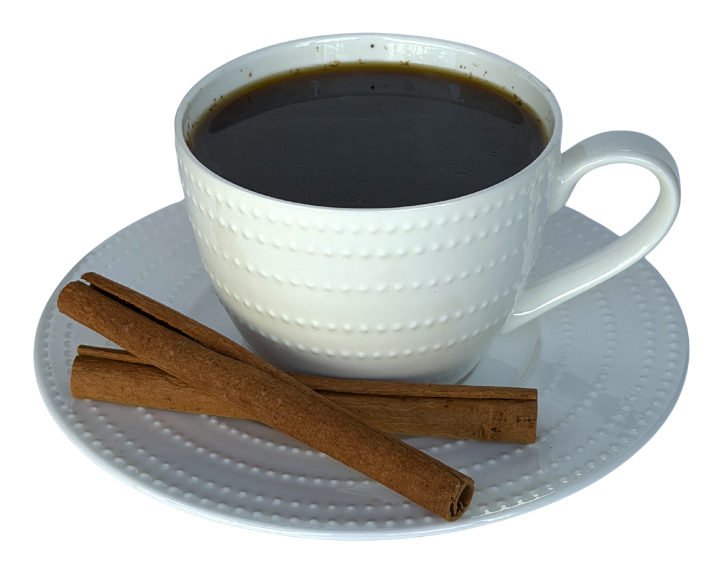
A classic café de olla starts with coffee, cinnamon, and a cane-sugar sweetness that feels integrated instead of poured on at the end. Pati Jinich’s traditional café de olla recipe is a useful reference for the coffee, piloncillo, cinnamon, and clove combination. Caféina’s step-by-step café de olla guide uses a four-cup batch as an easy starting point. When piloncillo is unavailable, use 2 to 3 tablespoons of packed dark brown sugar, then adjust the next pot to your preference.
Warm the sugar with the water, cinnamon stick, and cloves first. Once it has dissolved and the water smells fragrant, take the pot off the heat, add the coffee, cover it, and let it steep. This method gives the substitute time to become part of the drink instead of sitting on top of it. It also makes it easier to judge the sweetness before you pour.
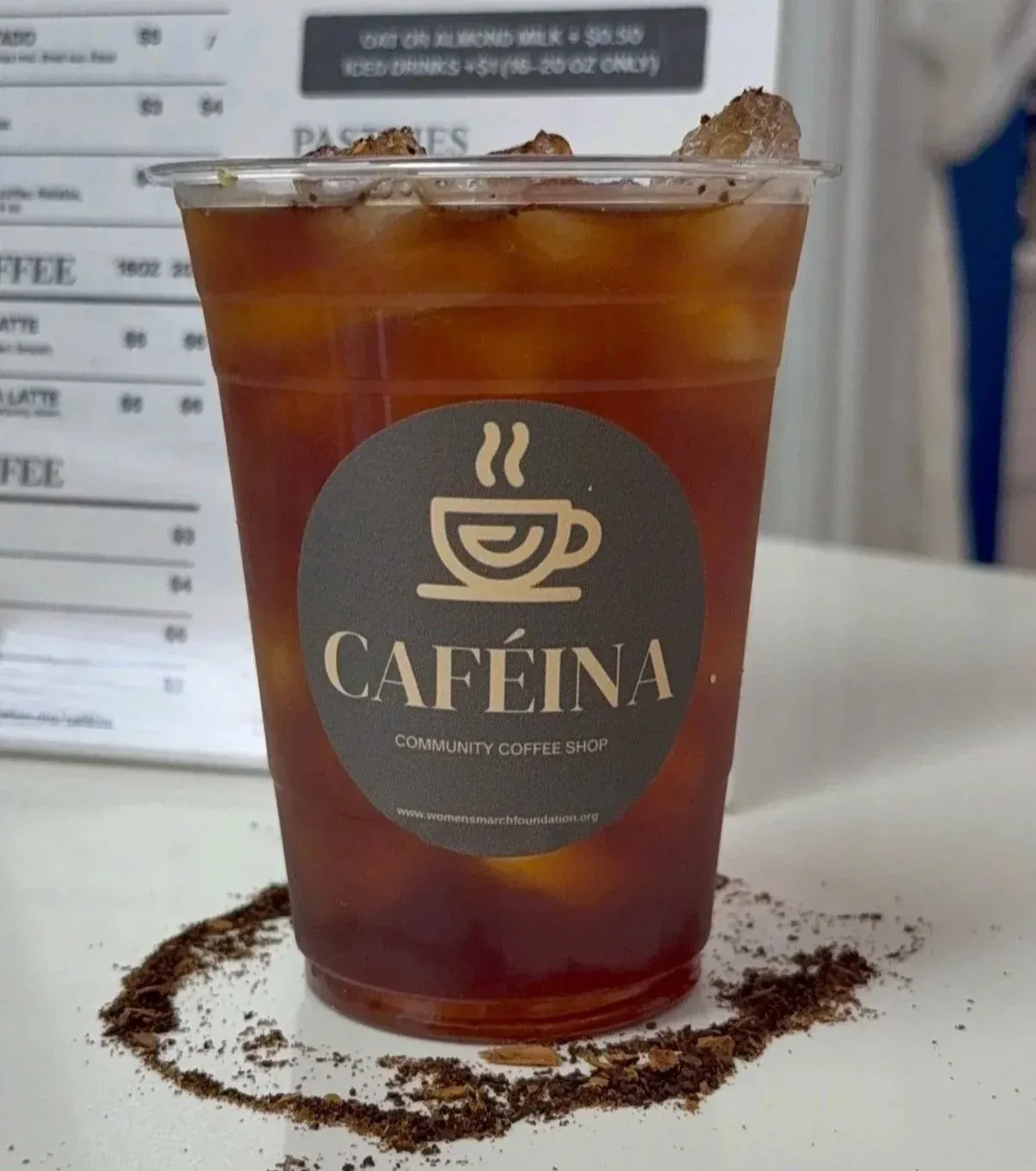
For a café-made cup, Caféina’s Dolores Huerta Café de Olla brings together coffee, cane sugar, cinnamon, and cloves without asking you to source, grate, steep, and strain anything before your first meeting of the day. Pair it with an apple turnover or raspberry Danish when you want the warm-spice direction to feel like a full break, not a rushed drink.
A simple substitute guide for baking and cooking
For cookies, quick breads, cakes, and crumbles, use dark brown sugar or muscovado one for one. Expect a slightly softer, moister result with muscovado. For sauces and syrups, panela, dark brown sugar, maple syrup, and date syrup can all work, as long as you add them gradually and taste before serving.
For savory dishes, dark brown sugar is usually the most neutral choice. It can add balance to a chile-based sauce, glaze, or braise without changing the dish’s identity. Panela brings more character, which can be beautiful in a recipe designed around it. Maple or honey will announce themselves more clearly, so use them when that extra flavor is welcome rather than when you need the sweetener to stay quiet.
Think of the swap as a flavor decision, not just a measuring decision. Brown sugar gives easy depth. Panela stays closest to the original. Muscovado goes darker. Maple adds its own warm note. Once you choose the direction, the recipe becomes much easier to adjust with confidence.
At Caféina
Take the shortcut that still feels like a ritual.
When you want a warmly spiced coffee without the prep, order Caféina’s Dolores Huerta Café de Olla and make time for the cup.
Frequently asked questions
What is the best substitute for piloncillo?
Dark brown sugar is the best everyday substitute for piloncillo. Use it in the same amount by volume, packed lightly, then taste and adjust. It has the molasses note and soft texture that make it the closest easy option for coffee, sauces, and baking.
Can I use regular brown sugar instead of piloncillo?
Yes. Light or regular brown sugar will sweeten a recipe and is usually the most convenient choice. The finished dish will be milder and less caramel-like than one made with piloncillo, so cinnamon, coffee, chocolate, or a small spoonful of molasses can help build back some depth.
Is panela the same as piloncillo?
Panela and piloncillo are both unrefined cane sugars, but names, shapes, and flavor can vary by place and producer. Panela is usually the closest direct swap when it is available. Grate, chop, or dissolve it before measuring so it melts evenly.
Can I use maple syrup instead of piloncillo?
Maple syrup can work when a recipe can handle extra moisture, especially in a drink, glaze, or sauce. Start with about three-fourths as much maple syrup as the piloncillo called for, then reduce another liquid slightly when the recipe needs a dry sweetener.
